Tell us about the job
Takes about a minute. No obligation.
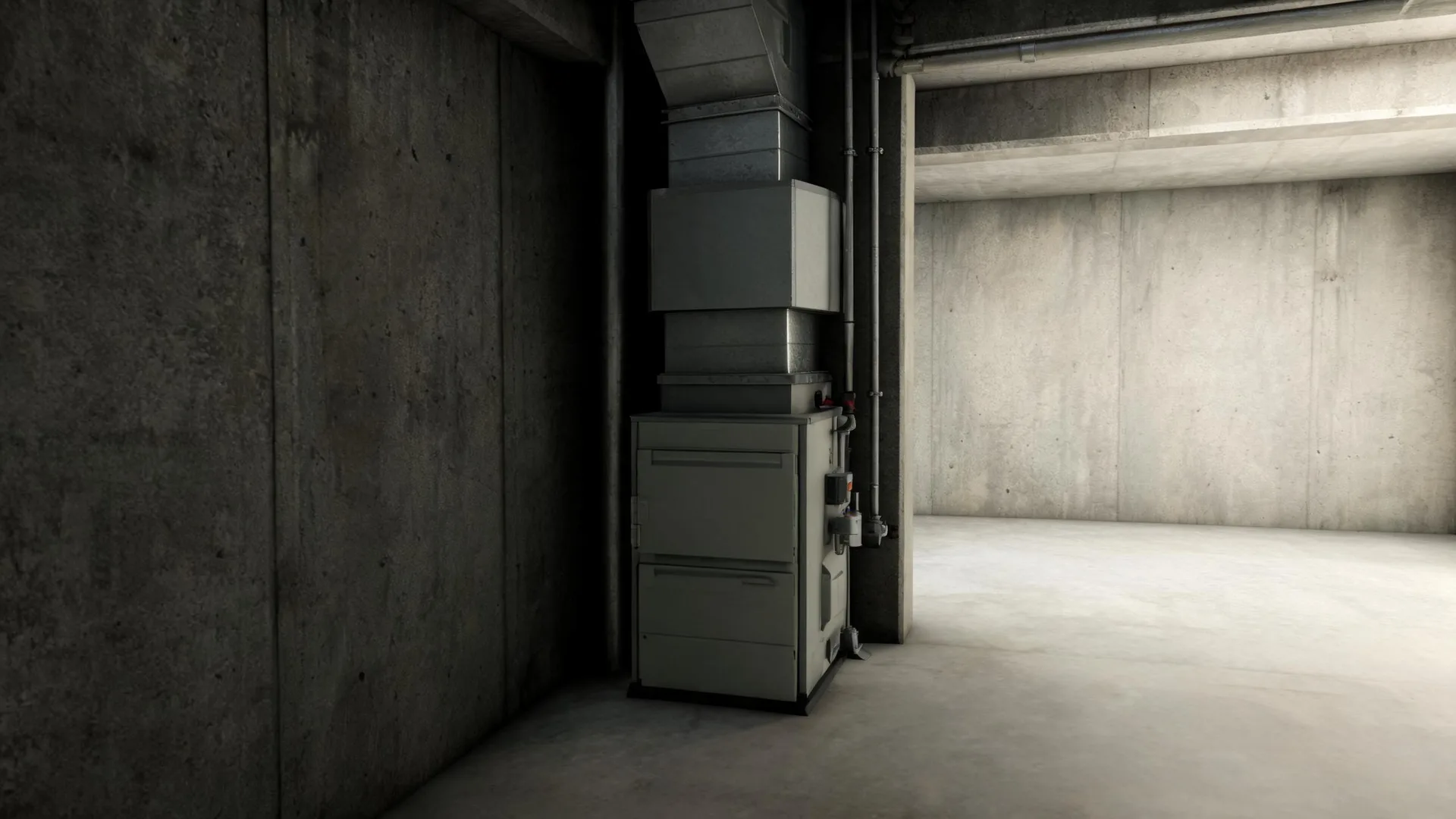
Sizing a furnace for a Holmes County home starts with what the burner and heat exchanger are actually going to carry each year. Homes in Holmes County, MS run heat about five months a year, from November through March. A contractor calculating the load here cannot lean on conservative guesses, because an undersized unit will cycle harder and longer to meet the demand, putting real stress on the ignition system and the heat exchanger from the first cold spell. Get the sizing wrong and the equipment shows it in those components before it should.
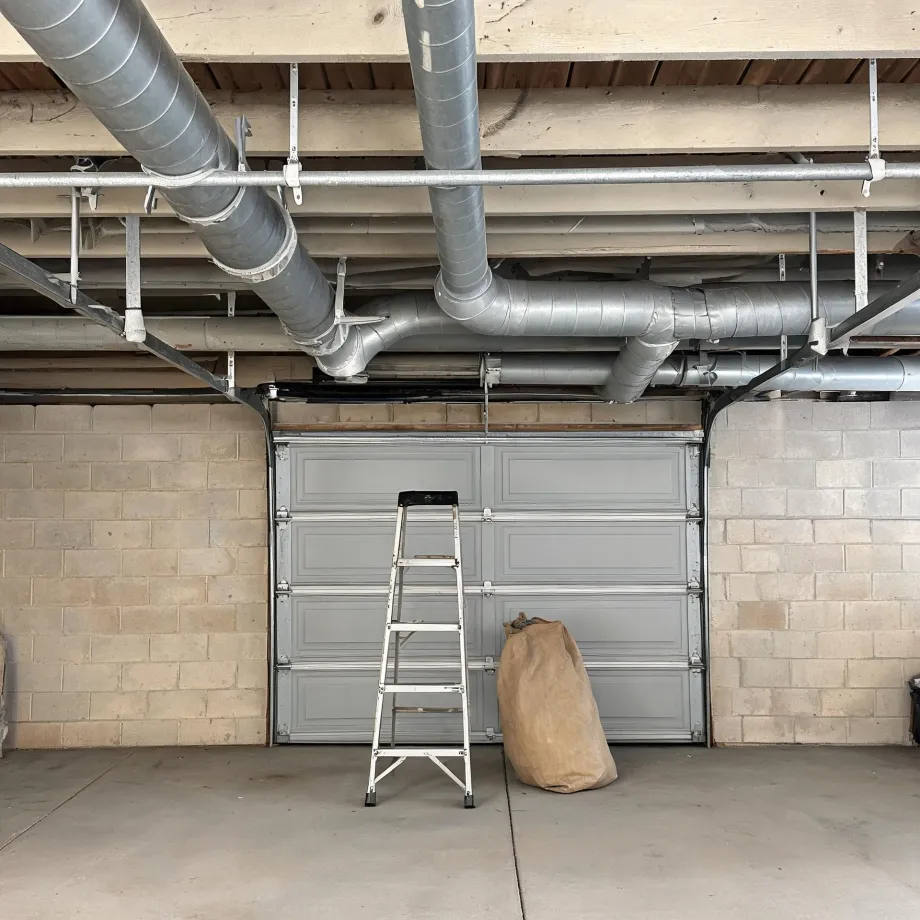
Ductwork sized and routed for furnaces that were pulled out years ago does not automatically accommodate what a contractor brings in today. Half the homes in Holmes County, Mississippi were built in 1982 or earlier (2020-2024 ACS 5-year). That gap between what the house was built around and what a new unit needs is where installation decisions actually get made: whether the existing trunk lines move enough air, where returns sit, and what the supply runs will do under the load a modern furnace puts on them. The electrical side matters too, but duct configuration is what determines how much of the existing infrastructure a contractor can keep.
What Gets Installed With a New Furnace
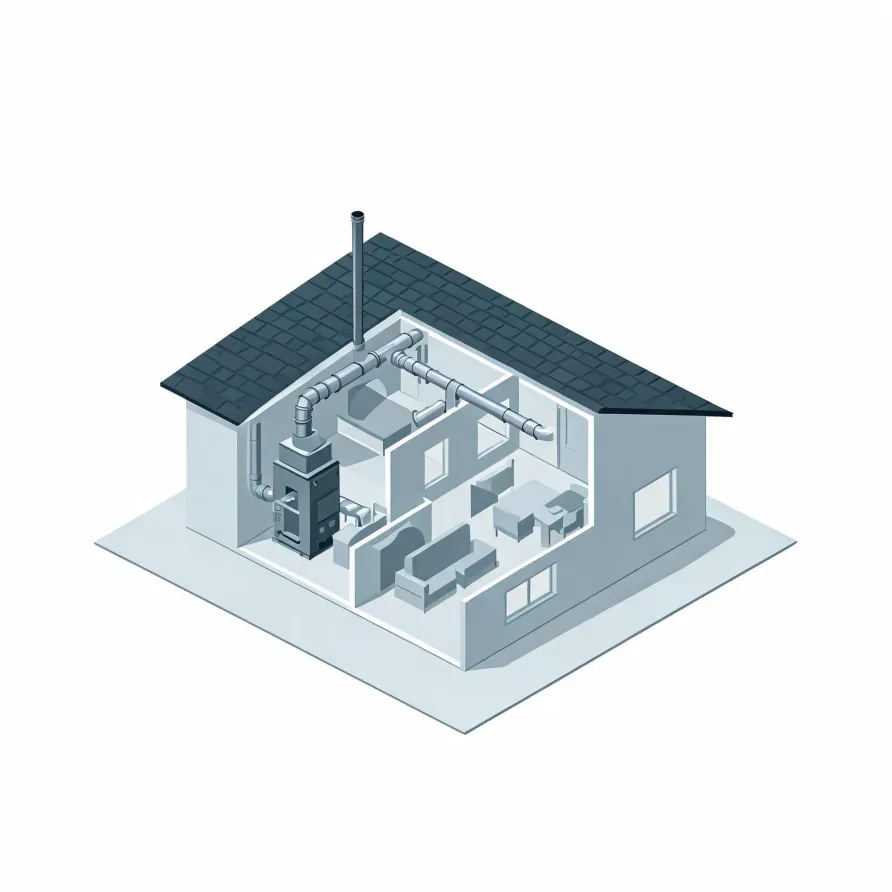
The furnace itself sits inside the house, most often in a basement, utility closet, or dedicated mechanical room. It holds the burner assembly, the heat exchanger, and the blower in a single cabinet. That cabinet is the core of what a contractor brings in and connects to the rest of the house.
The flue pipe runs from the furnace up and out through the roof or an exterior wall, carrying combustion gases outside. Alongside the furnace, a contractor installs the thermostat on an interior wall where it reads the living space and tells the furnace when to fire. The filter housing, often built into the cabinet or fitted at the return-air opening, goes in at the same time.
The drawing shows a typical layout, and a licensed contractor determines exactly what applies to your house.
Find a contractor in Holmes CountyHolmes County, MS, by the numbers
110 severe weather events were recorded in Holmes County, Mississippi between 2015 and 2024.
NOAA National Centers for Environmental Information, Storm Events Database, bulk CSV export, events 2015-01-01 through 2024-12-31.Half the homes in Holmes County, Mississippi were built in 1982 or earlier (2020-2024 ACS 5-year).
U.S. Census Bureau, 2020-2024 American Community Survey 5-Year EstimatesHolmes County, Mississippi holds 7,595 housing units (2020-2024 ACS 5-year).
U.S. Census Bureau, 2020-2024 American Community Survey 5-Year EstimatesOwners occupy 61.0% of the occupied homes in Holmes County, Mississippi (2020-2024 ACS 5-year).
U.S. Census Bureau, 2020-2024 American Community Survey 5-Year EstimatesFurnace Installation Rules That Apply in Holmes County, Mississippi5 codes, standards & laws
What the installation contractor does in your home
Non-weatherized gas furnaces manufactured on or after November 19, 2015 must reach 80.0 percent AFUE.
Non-weatherized oil-fired furnaces manufactured on or after November 19, 2015 must reach 83.0 percent AFUE.
Mobile home gas furnaces manufactured on or after November 19, 2015 must reach 80.0 percent AFUE.
Non-weatherized gas furnaces manufactured on or after December 18, 2028 must reach 95.0 percent AFUE, up from the 80.0 percent minimum that applies to units manufactured before that date.
Licensing Rules for HVAC Work in Holmes County, Mississippi
Mississippi licenses residential HVAC work at every tier and at any price: a subcontractor of any tier doing heating, ventilation or air conditioning work on a residential construction or improvement project must be licensed by the State Board of Contractors no matter the dollar amount.
Severe Weather in Holmes County
Weather conditions place real demands on heating equipment, and those demands vary by location. What Holmes County sees over the years shapes how hard a furnace has to work and how much the installation decision matters.
110 severe weather events, 2015–2024. Source: NOAA National Centers for Environmental Information, Storm Events Database.