Tell us about the job
Takes about a minute. No obligation.
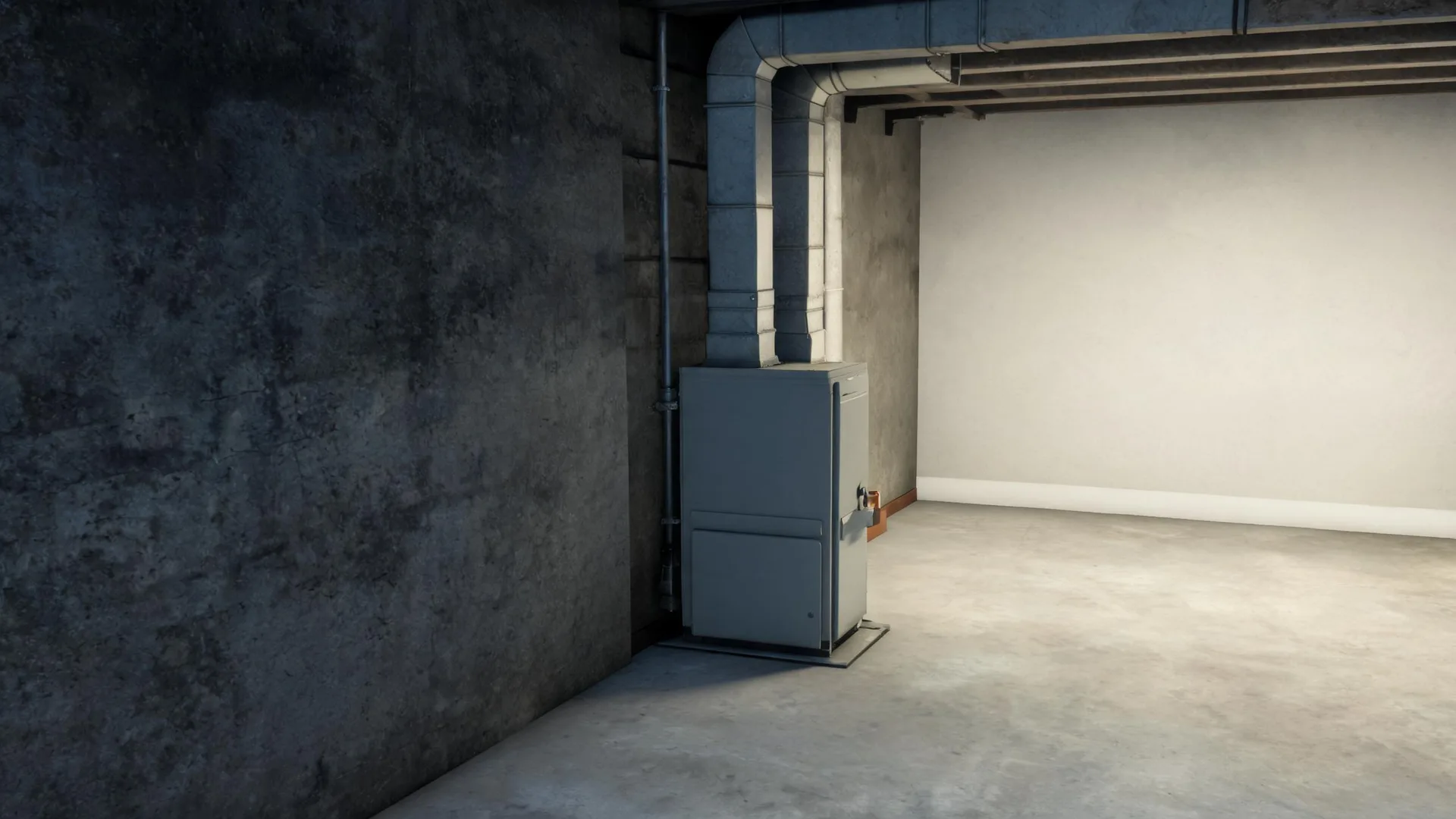
Sizing a furnace for Smith County starts with knowing how long the burner actually runs each year. Homes in Smith County, MS run heat about five months a year, from November through March. A heat exchanger that cycles through a full heating season without adequate airflow across it will show fatigue at the seams and joints before the system is anywhere close to what most owners think of as old. The burner and ignition system take the same accumulated load. A contractor quoting a replacement here factors that runtime into the equipment selection and the installation spec, because an undersized unit cannot make up the difference by running harder without shortening its own service life.
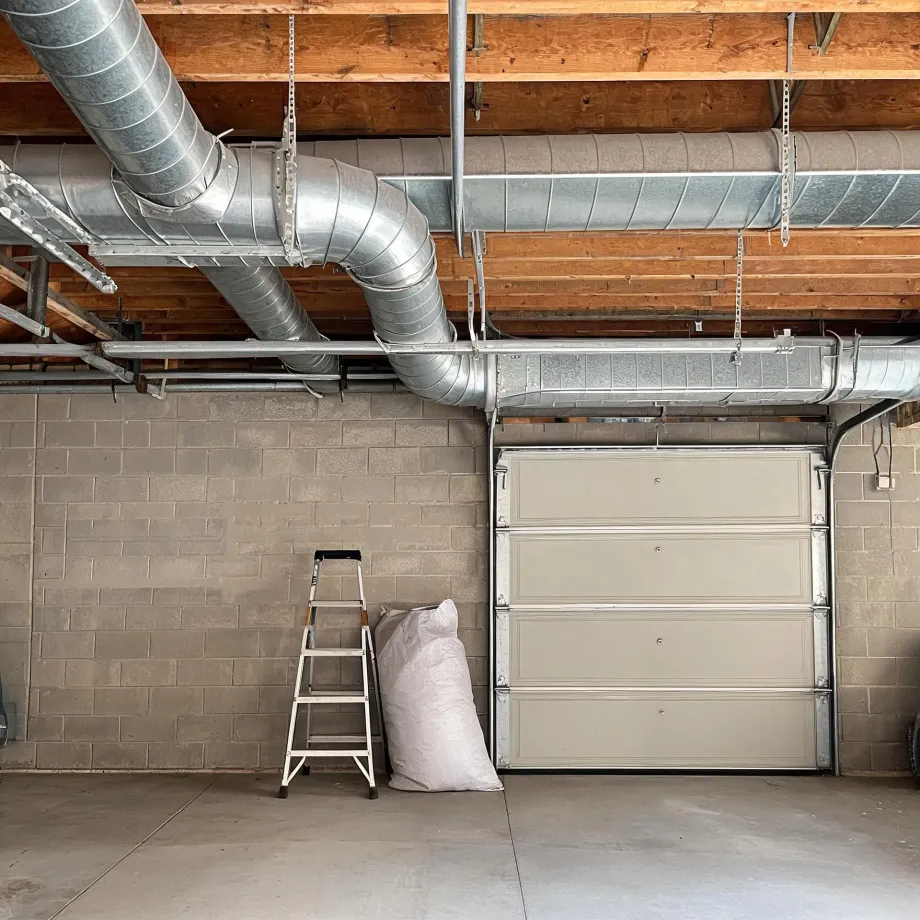
Ductwork in a house is sized for a specific load, and houses built to the standards that dominated this county's construction era were sized for equipment with lower output than what contractors install today. Half the homes in Smith County, Mississippi were built in 1986 or earlier (2020-2024 ACS 5-year). That gap between what the ducts were built to carry and what a new furnace will push through them is where a contractor's site assessment either clears the job or complicates it. If the existing duct system cannot handle the new unit's airflow, the installation scope widens before the furnace itself is ever touched.
What Gets Installed With a New Furnace
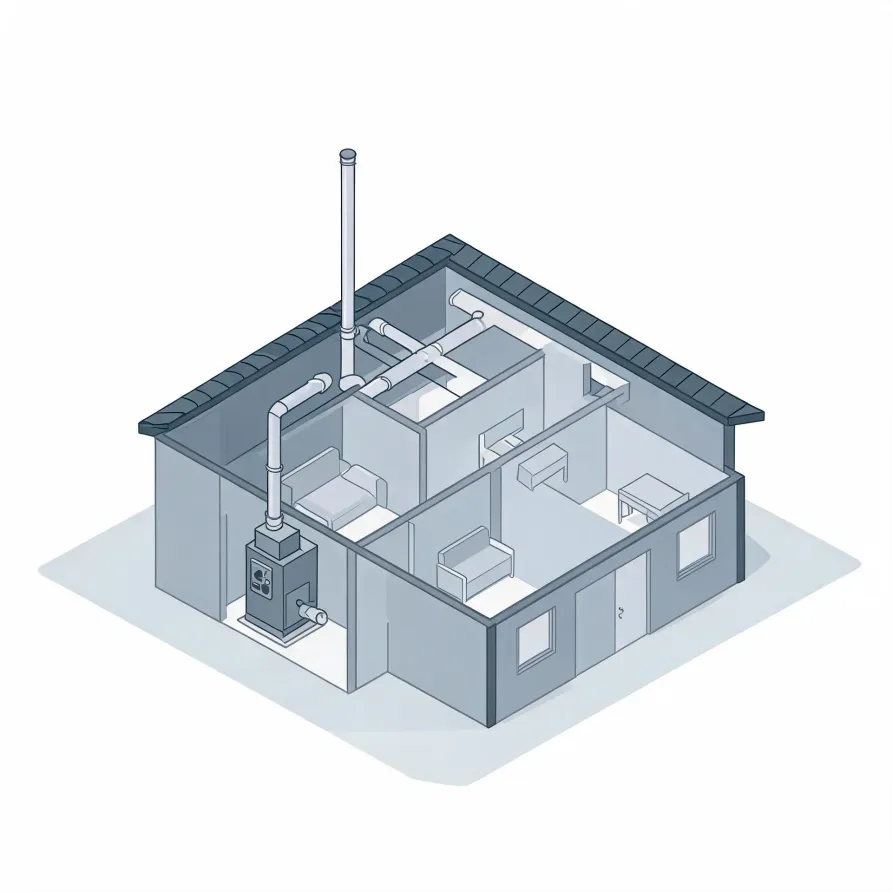
The furnace itself sits in a utility room, basement, or closet at the center of the system. It houses the burner, the heat exchanger, and the blower in one cabinet. The burner produces heat, the heat exchanger transfers it to the air stream, and the blower pushes that air out through the supply registers.
The flue pipe runs from the furnace cabinet to an exterior wall or up through the roof, carrying combustion gases out of the house. The thermostat mounts on an interior wall and serves as the control point, telling the furnace when to fire and when to shut off. A gas valve and ignition assembly sit inside the cabinet and work together to start each heating cycle on demand.
The drawing here shows a typical layout, and a licensed contractor determines exactly what applies to your house and how each piece is positioned within it.
Find a contractor in Smith CountySmith County by the Numbers
151 severe weather events were recorded in Smith County, Mississippi between 2015 and 2024.
NOAA National Centers for Environmental Information, Storm Events Database, bulk CSV export, events 2015-01-01 through 2024-12-31.Half the homes in Smith County, Mississippi were built in 1986 or earlier (2020-2024 ACS 5-year).
U.S. Census Bureau, 2020-2024 American Community Survey 5-Year EstimatesSmith County, Mississippi holds 6,714 housing units (2020-2024 ACS 5-year).
U.S. Census Bureau, 2020-2024 American Community Survey 5-Year EstimatesOwners occupy 87.4% of the occupied homes in Smith County, Mississippi (2020-2024 ACS 5-year).
U.S. Census Bureau, 2020-2024 American Community Survey 5-Year EstimatesFurnace Installation Rules & Standards for Smith County, Mississippi5 sourced rules and standards
What the Installation Looks Like
Non-weatherized gas furnaces manufactured on or after November 19, 2015 must reach 80.0 percent AFUE.
Non-weatherized oil-fired furnaces manufactured on or after November 19, 2015 must reach 83.0 percent AFUE.
Mobile home gas furnaces manufactured on or after November 19, 2015 must reach 80.0 percent AFUE.
Non-weatherized gas furnaces manufactured on or after December 18, 2028 must reach 95.0 percent AFUE, up from the 80.0 percent minimum that applies to units manufactured before that date.
Licensing Rules for HVAC Work in Smith County, Mississippi
Mississippi licenses residential HVAC work at every tier and at any price: a subcontractor of any tier doing heating, ventilation or air conditioning work on a residential construction or improvement project must be licensed by the State Board of Contractors no matter the dollar amount.
Severe Weather Events in Smith County
Weather extremes put real load on heating equipment, and Smith County's climate is what a furnace here has to be sized and installed for. That makes local conditions a practical factor, not background noise.
151 severe weather events, 2015–2024. Source: NOAA National Centers for Environmental Information, Storm Events Database.