Tell us about the job
Takes about a minute. No obligation.
Furnace repair in Montgomery County starts with what the equipment has already been through. Homes in Montgomery County, MS run heat about five months a year, from November through March. The burner and heat exchanger cycle on and off through that stretch, and the ignition system fires at the start of every call for heat. By the time a furnace shows a fault, those parts have accumulated real wear. A contractor will pull the heat exchanger for inspection and check the igniter and flame sensor before turning attention to anything else, because those are the components that have been doing the work.
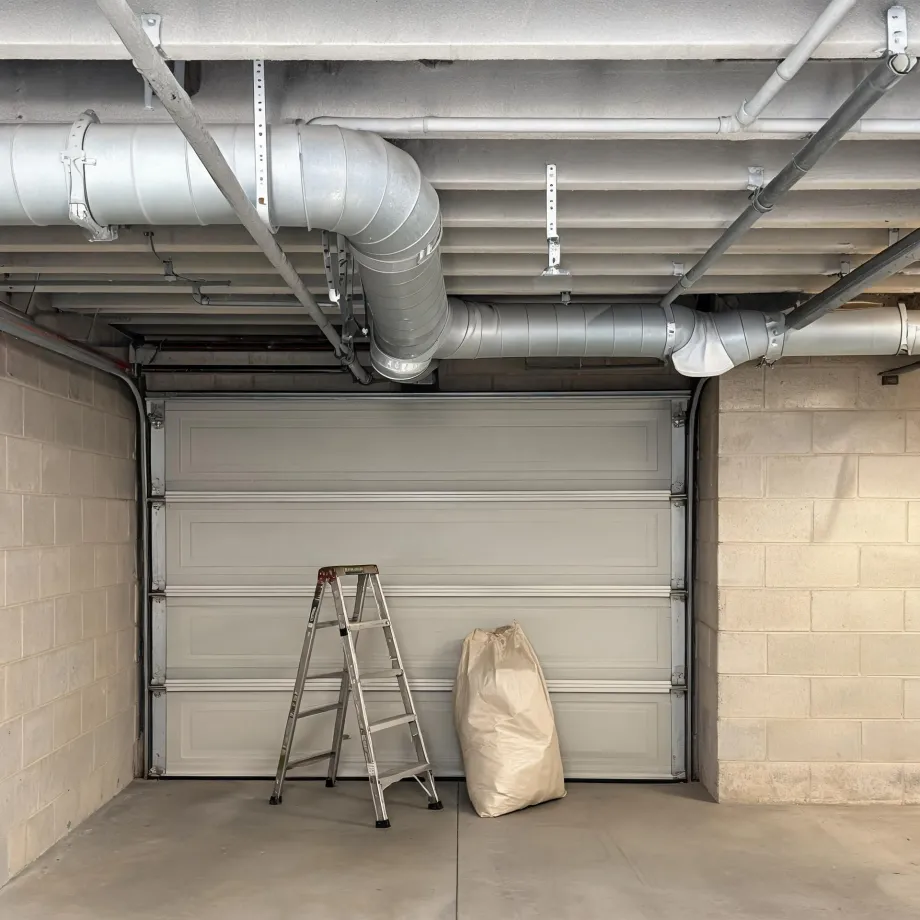
Ductwork sized for one furnace generation and now carrying another is what a contractor opens to in much of Montgomery County. Half the homes in Montgomery County, Mississippi were built in 1983 or earlier (2020-2024 ACS 5-year). That gap between the building and what eventually went into it means the duct runs, the connections, and the heat exchanger housing all warrant inspection before a repair scope is set, because a part that fits the furnace may sit against infrastructure that was never designed for it. A faulty heat exchanger or a cracked plenum tells a different story depending on what the surrounding ductwork can actually support.
The Parts of a Furnace a Contractor Checks First
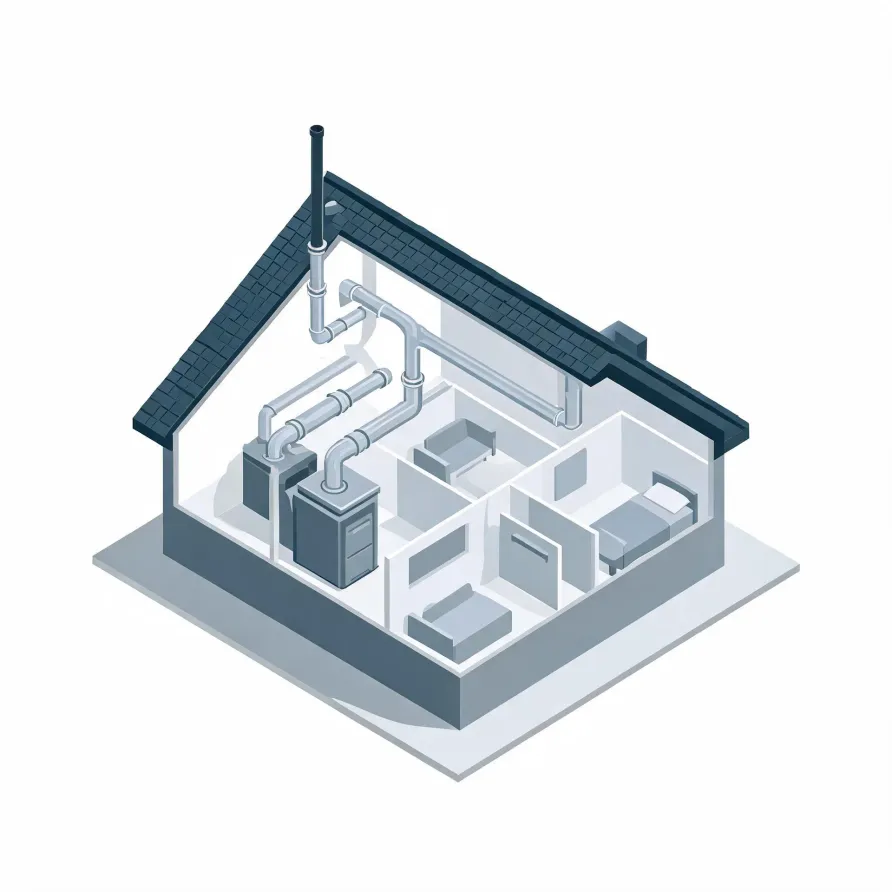
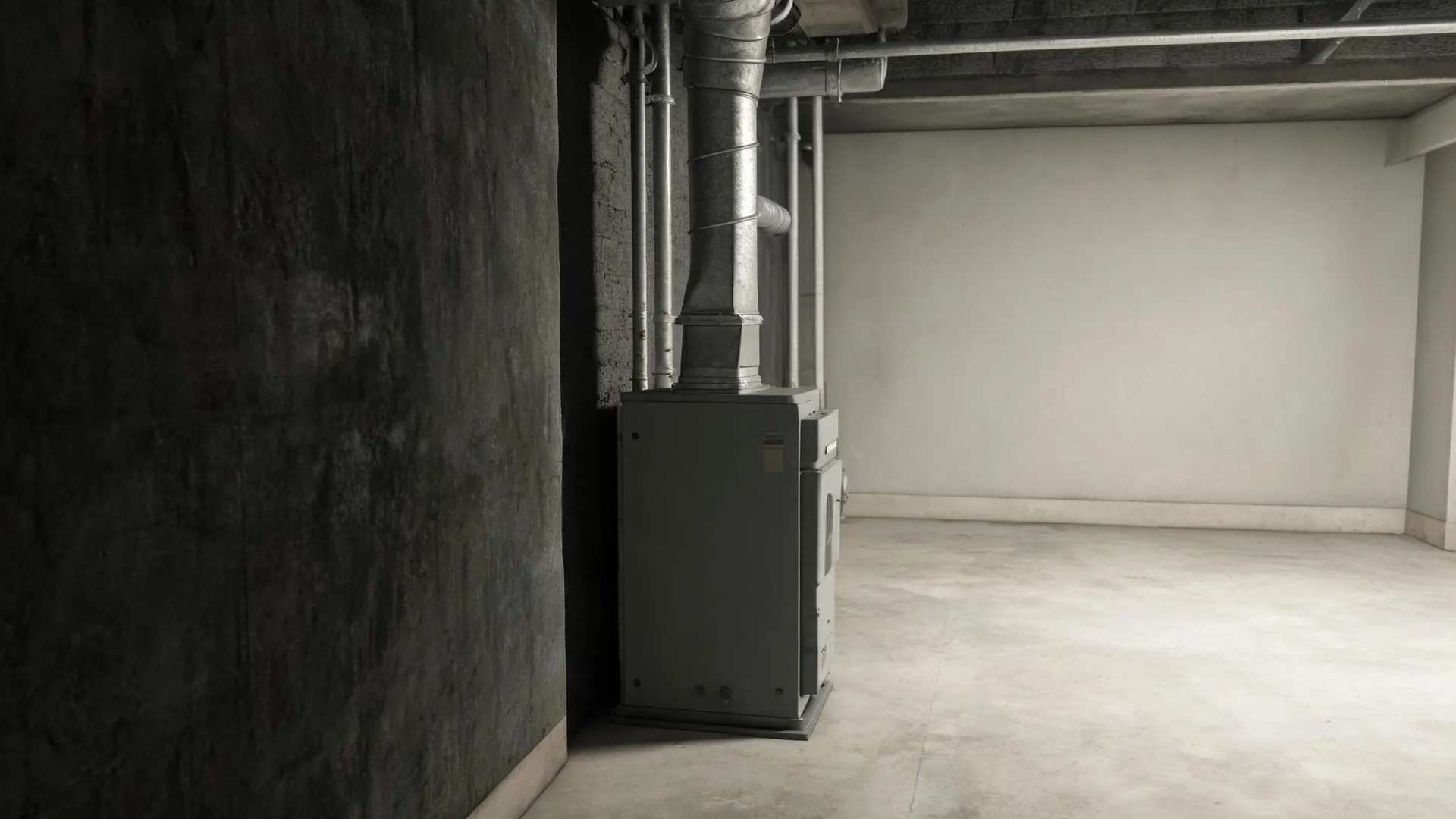
The furnace itself sits in a mechanical room, basement, or utility closet and is the heart of the system. Inside it, the heat exchanger is what a contractor looks at hard during a repair call. Cracks or failures there affect both heat output and air safety.
The blower motor moves conditioned air out through the supply side of the system, and a failed or struggling motor shows up as weak airflow or no airflow at all. The burner assembly, igniter, and flame sensor sit inside the cabinet together, and any one of them can be the reason a furnace fails to light or shuts down mid-cycle.
The drawing shows a typical furnace layout, and a licensed contractor determines what applies to your specific equipment and home.
Find a contractor in Montgomery CountyMontgomery County, Mississippi, by the numbers
59 severe weather events were recorded in Montgomery County, Mississippi between 2015 and 2024.
NOAA National Centers for Environmental Information, Storm Events Database, bulk CSV export, events 2015-01-01 through 2024-12-31.Half the homes in Montgomery County, Mississippi were built in 1983 or earlier (2020-2024 ACS 5-year).
U.S. Census Bureau, 2020-2024 American Community Survey 5-Year EstimatesMontgomery County, Mississippi holds 5,454 housing units (2020-2024 ACS 5-year).
U.S. Census Bureau, 2020-2024 American Community Survey 5-Year EstimatesOwners occupy 75.8% of the occupied homes in Montgomery County, Mississippi (2020-2024 ACS 5-year).
U.S. Census Bureau, 2020-2024 American Community Survey 5-Year EstimatesFurnace Repair Rules & Codes for Montgomery County, Mississippi5 sourced standards and regulations
What HVAC Repair Looks Like in Montgomery County
Non-weatherized gas furnaces manufactured on or after November 19, 2015 must reach 80.0 percent AFUE.
Non-weatherized oil-fired furnaces manufactured on or after November 19, 2015 must reach 83.0 percent AFUE.
Mobile home gas furnaces manufactured on or after November 19, 2015 must reach 80.0 percent AFUE.
Non-weatherized gas furnaces manufactured on or after December 18, 2028 must reach 95.0 percent AFUE, up from the 80.0 percent minimum that applies to units manufactured before that date.
Licensing Rules in Montgomery County, Mississippi
Mississippi licenses residential HVAC work at every tier and at any price: a subcontractor of any tier doing heating, ventilation or air conditioning work on a residential construction or improvement project must be licensed by the State Board of Contractors no matter the dollar amount.
Severe Weather Events in Montgomery County
Extreme weather puts real strain on furnaces and the systems around them, shortening service life and driving up repair frequency. How hard the weather hits Montgomery County shapes how hard local equipment has to work.
59 severe weather events, 2015–2024. Source: NOAA National Centers for Environmental Information, Storm Events Database.