15 to 20 years
That's the typical run for a furnace here. If yours is past 20, it's on borrowed time even if it still lights every morning.
A furnace that's starting to fail in Hattiesburg doesn't give you much warning, and most homes here lean on electric heat to get through the mild stretch of winter. When it's time to replace one, the hard part usually isn't the install. It's finding a licensed contractor worth calling, then calling a few more, then sitting on hold, then explaining the same thing about your system to each one before you can even compare what they'd charge. That's the part that eats a weekend. Send the form here and that search is off your plate. You won't be the one tracking down names or sorting through quotes to figure out who's legitimate. A contractor in Forrest County gets your information and takes it from there. You still get a real decision to make about your furnace, just without the legwork of finding someone qualified to talk to about it.
A furnace in Hattiesburg typically lasts 15 to 20 years. Winters here are mild, so most furnaces run for a few months out of the year instead of carrying the load all season, and that light use is why they tend to last toward the longer end of that range. What shortens that life isn't the cold, it's neglect: a furnace that never gets serviced wears out its igniter, its heat exchanger, or its blower motor well before its time. Most homes around here heat with electricity rather than gas, and electric furnaces have fewer parts that can fail, which also works in their favor. If yours is 15 years old or older, it's worth having someone look at it before a mild winter turns into a cold snap with no heat at all. A furnace that's already struggling, short cycling, making noise, or running constantly, is telling you it's closer to the end than the middle.
Winter nights average 40°F
Overnight lows average 40°F in December, January and February, so a furnace cycles on most nights but rarely has to work hard.
Heat runs November through March
Heat runs November through March here, about five months a year, well short of the full season a furnace in a harder climate would see.
68.1% of homes heat with electricity
68.1% of homes in Forrest County heat with electricity, so most furnaces here are electric units running on that same light winter schedule.
NOAA nClimDiv 1991-2020 · ACS 2020-2024
Run it until it quits and you can land on a bad week to find out. A furnace that fails in January still has to be replaced fast, whether or not anyone's had time to compare contractors.
Replace it near the end of its run and you pick the week. Sending one form here means you're not the one calling around and repeating the same story to find who's free.




That's the typical run for a furnace here. If yours is past 20, it's on borrowed time even if it still lights every morning.
Heat runs November through March in Hattiesburg. The rest of the year the furnace sits idle, which is why the lifespan holds up as well as it does.
A furnace near the end of its life usually shows it before it quits outright. It takes longer to kick on, or it runs through a cycle and starts again a few minutes later. The air coming out feels cooler than it used to, even with the thermostat set the same. You might hear a bang or rattle at startup, or notice a burnt smell the first few times it runs each winter. Some rooms stay colder than others no matter how long it runs. None of this means it'll fail tonight, but a furnace working this hard to do less is usually close to the end of its 15 to 20 years, and waiting too long to replace it means doing it in the middle of a cold snap instead of on your own schedule.
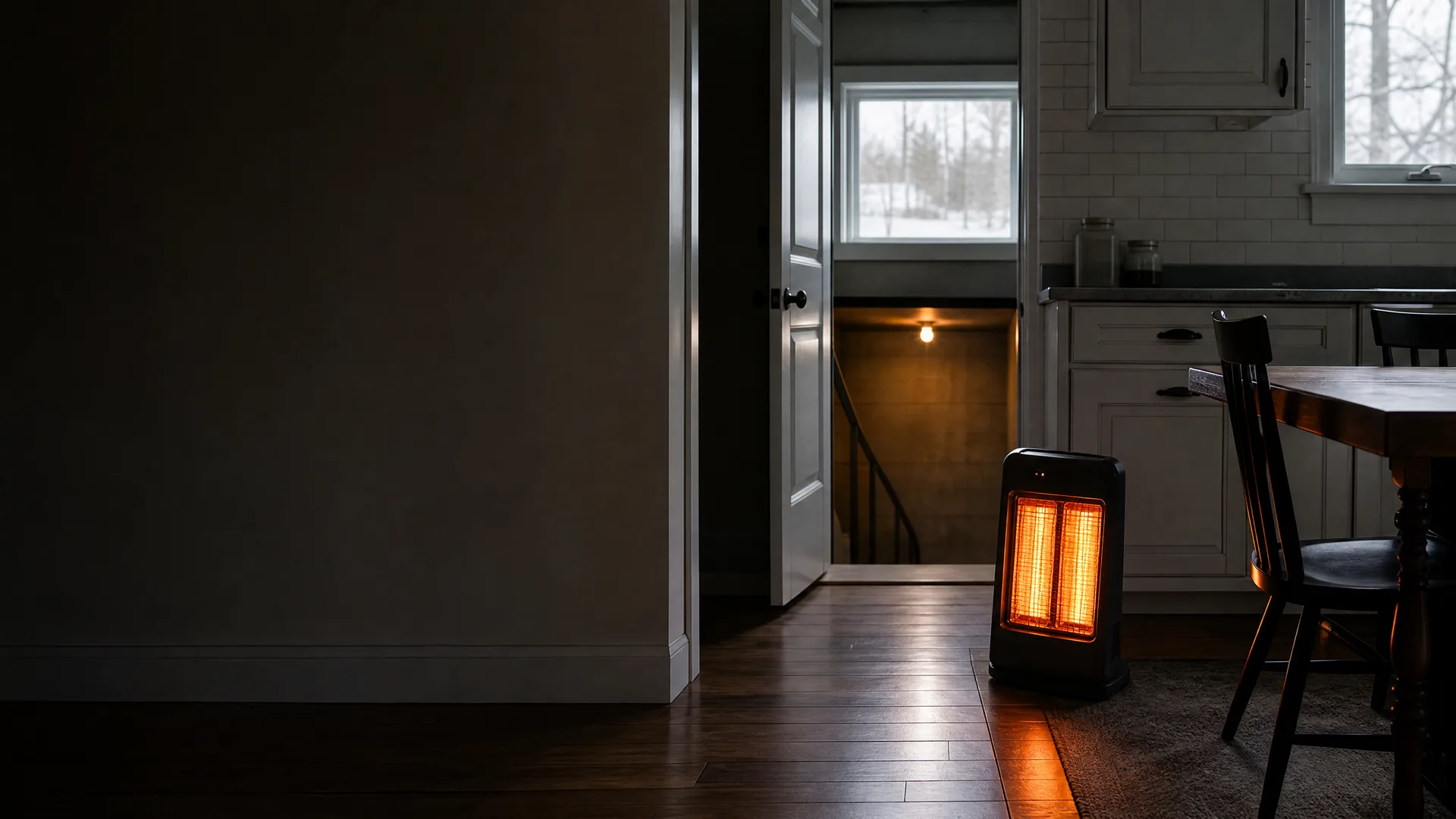
It's early, still gray out, and the kitchen is cold enough that you can see your breath near the window. The furnace clicked on twice already and gave up both times, so the space heater is doing the work now, its coil glowing orange by the table leg. You left the basement door open to listen for it, in case it tries again. Outside, the Forrest County sky hasn't turned yet. You've got maybe twenty minutes before you have to get the kids moving, and you're doing the math on whether this is a Tuesday-night fix or a get-someone-out-here-now problem. The form takes less time than the coffee's been sitting there going cold.
One form replaces the calls you'd make to find a furnace pro.
No fee to send it, and nothing to sign.
Patching a furnace that's past 15 or 20 years means paying for parts on a machine that's already given you most of what it has. A cracked heat exchanger or a failed control board on a unit that old often costs close to what a new furnace would, and you're still stuck with the same age problem a year later. Each repair buys a little time, not peace of mind. You're also betting the next cold snap doesn't catch the unit mid-failure, which means hunting for a contractor on short notice instead of on your own schedule.
Swapping out a furnace near the end of its run, while it's still limping along, means you choose the week it happens. You can get quotes, compare contractors and pick an install date that works for you instead of waiting for a cold morning to force the decision. A new furnace also comes with a warranty and years before anything needs attention again. The upfront cost is the same either way eventually. The difference is whether you're the one deciding when, or the weather is.


Most furnaces in Hattiesburg are electric, so when the thermostat calls for heat, a set of resistance coils heats up and the blower starts pushing warm air almost right away. A gas furnace works a little differently. It lights the burners first and holds the blower off for about 30 seconds, giving the heat exchanger time to warm up before air moves across it. Either way, the exchanger is doing the same job, keeping the flame or the coils separate from the air that ends up in your rooms. It's also the part most likely to crack or warp as a furnace ages, which is why a cracked exchanger is often what ends a unit's run. Every cycle, gas or electric, finishes with the blower running another minute or two after the heat cuts off, clearing the last of the warm air out before things cool down. A dirty flame sensor or a tripped limit switch can cut a cycle short well before the exchanger itself is the problem, which is worth knowing before you assume the worst.


Thermostat calls for heat and sends power to the control board.
Control board checks the limit switch and safety sensors first.
Igniter heats up or the pilot lights the burners.
Flame sensor confirms burners are lit and keeps gas flowing.
At 40°F, your furnace isn't fighting hard to catch up each night. It only has to close a gap of a few degrees, so the burners or coils don't run long before the house is back to temperature. That's less wear per cycle than a furnace sees in a colder state.
NOAA nClimDiv 1991-2020

This is a furnace doing its job. The condensate line drains the way it should, the gas line feeds it steady, and the cabinet sits level on the floor with nothing scorched or rusted around it. A unit like this heats a house through winter without making itself known.

This is the same kind of unit further down the road. The ductwork and gas lines are original, the cabinet's older, and a furnace built like this is closer to the end of its run than the start. Mid-efficiency units like this one are the ones most likely to need replacing before the next cold snap.

A furnace in Hattiesburg runs 15 to 20 years because winter here only asks a few months of work from it. If yours is in that range and still heating the house evenly, there's no decision to make yet. If it's past 20, or showing what a dying furnace shows, the decision already made itself.
What's left is finding someone licensed to put in the new one, and that's the part most people put off. Instead of calling around Forrest County, checking licenses, and explaining the same problem to three different companies, you send one form and the matching is done for you. You pick the week instead of a cold morning picking it for you.


Stop chasing a furnace pro