Before you get your furnace repair
The house keeps losing ground overnight, the thermostat calls for heat and nothing happens, and you're guessing at which part quit without knowing for sure.

Hand off the search today
Winters in Madison are mild, but a gas furnace that won't fire still leaves a house cold overnight and worse by morning. This page walks through what usually causes it, from the igniter to the gas valve, so you know what you're dealing with before anyone shows up. Send the form and a local contractor who works on these furnaces takes it from there.
Let a pro reach outFirst, check the thermostat batteries and the breaker or switch for the furnace, since those cause more dead furnaces than anything inside the unit. If those are fine, look at the furnace itself. Most furnaces in Madison run on gas, and a gas furnace that won't light is usually the igniter. Igniters wear out and crack with age, and once one fails it won't glow enough to light the burners at all. A clogged filter can also starve the furnace of airflow until it shuts itself down to avoid overheating. Less often, it's the flame sensor, a dirty one reads no flame and cuts the gas even if the igniter is working, or the gas valve itself has failed. Winters here are mild, but a furnace that won't run still leaves the house cold by morning, and a gas furnace isn't something to keep testing on your own. It needs a licensed hand on the gas line and controls.
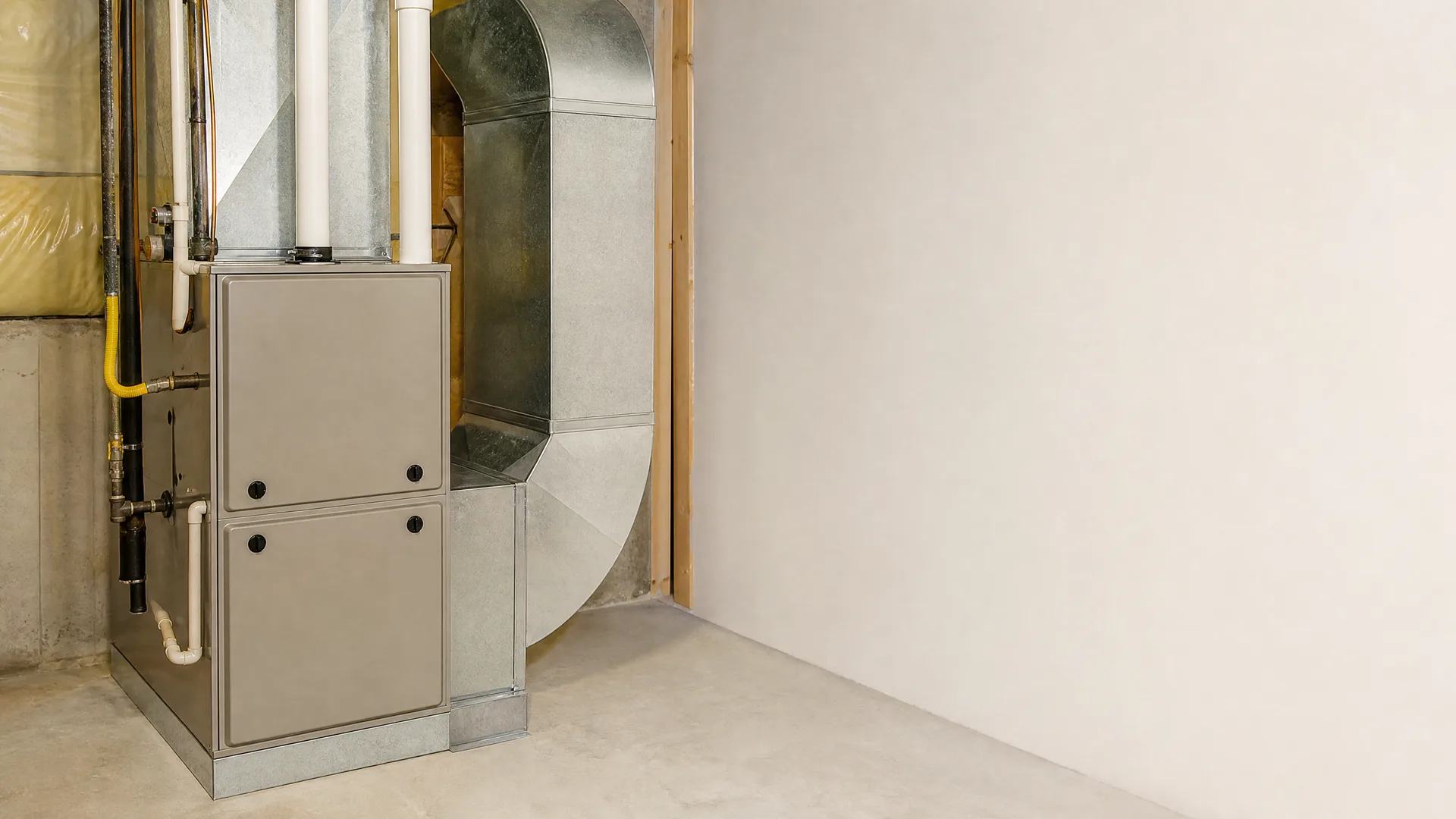
Most gas furnaces now use a hot surface igniter instead of a pilot light. It's a thin strip that glows to light the burners each time the furnace calls for heat. That strip heats and cools dozens of times a season, and the cycling is what eventually cracks it. When it goes, the furnace will still run air but the burners never light, so you get cold air or nothing at all.
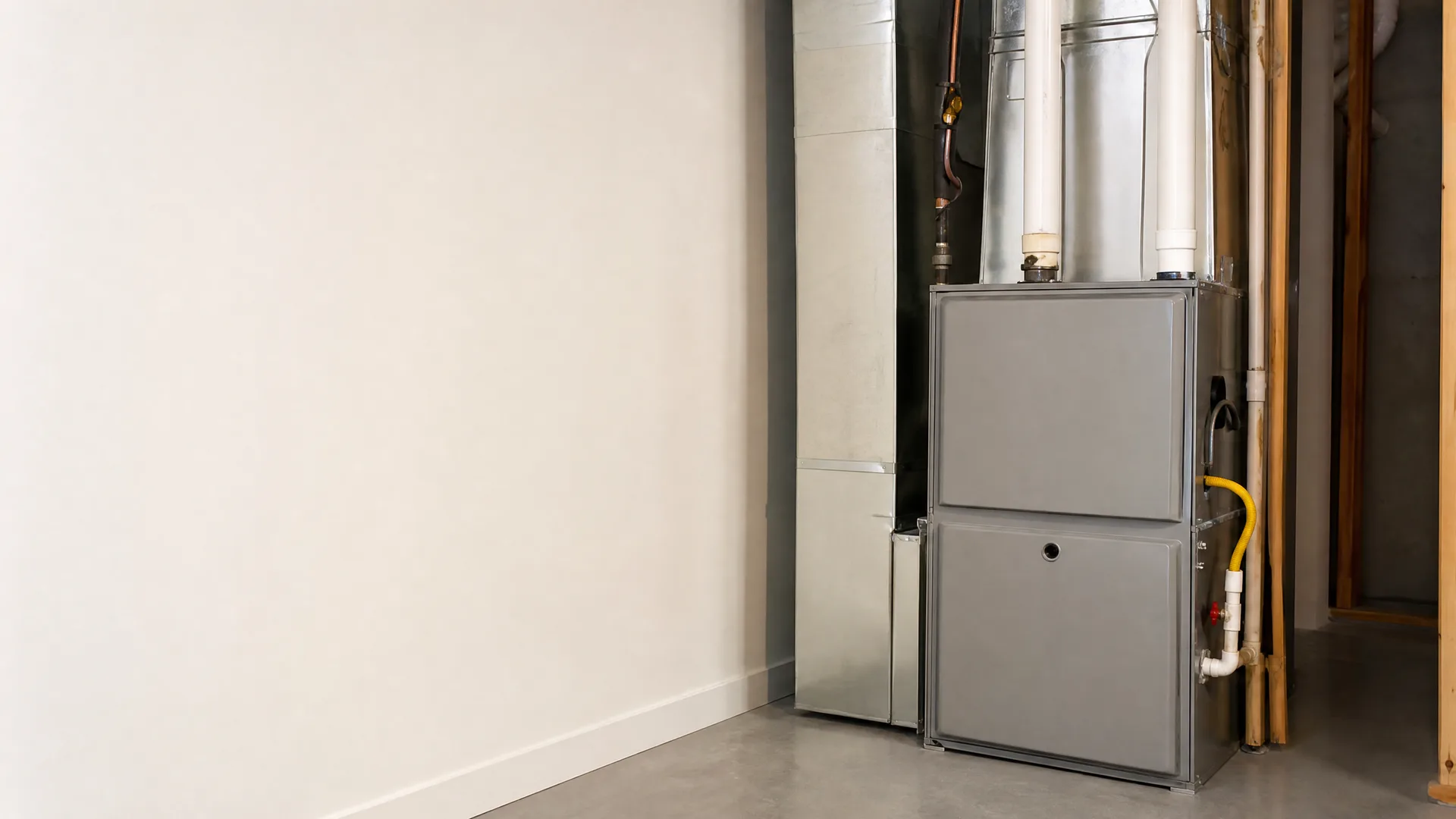
The gas valve opens only after the control board sees a signal that the igniter is hot and the flame sensor confirms a flame. If any step before it fails, the valve stays shut on purpose, not by accident. That's a safety function, not a malfunction, and it means a furnace that won't fire is often protecting the house rather than failing outright. A contractor checks each step in that order to find where the chain actually broke.
Winter nights average 37°F
Overnight lows average 37°F through December, January and February, so a furnace that quits can let a house get close to freezing by morning.
Heat runs November through March
Heat runs about five months here, November through March, which is a long stretch to be without a working furnace if something fails.
49.6% of homes heat with gas
Just under half of homes in Madison County heat with gas, so a gas furnace problem is the most common reason the heat stops working.
NOAA nClimDiv 1991-2020 · ACS 2020-2024




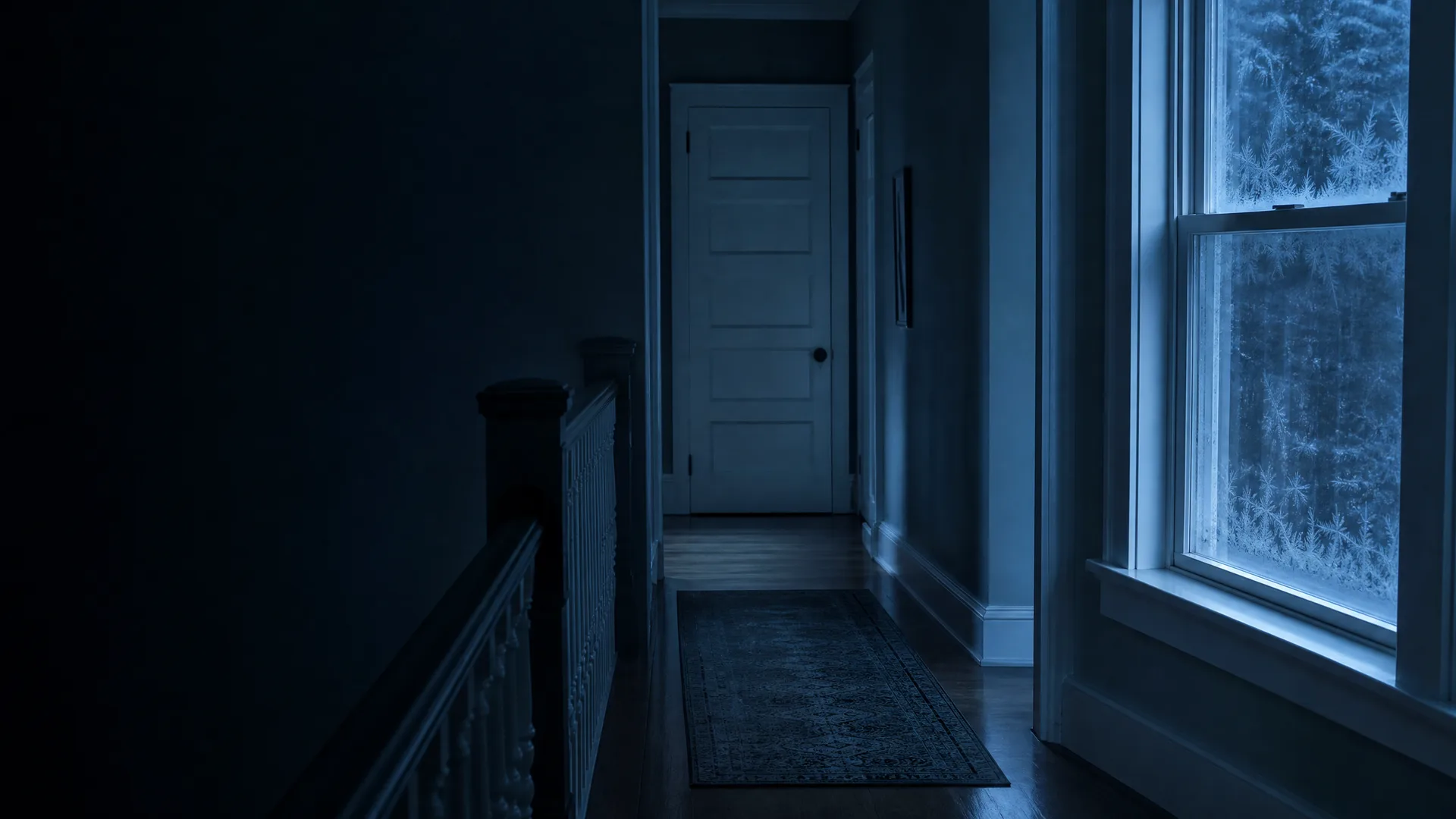
You wake up a little after two because your feet are cold outside the blanket. The hallway floor is bare on the way to the bathroom, and the vent there isn't pushing any air, not even cool air, nothing at all. Through the window at the end of the hall the glass has frosted at the edges, and the porch light outside looks dim and blue through it. You stand there a second listening for the furnace to kick on. It doesn't. Downstairs the house will be colder than this hallway by the time anyone else is up, and for now it's just you, the silent vent, and the frost working its way across the glass.
A furnace that won't fire isn't something you want to chase down part by part on your own, especially at two in the morning with the house getting colder. Someone local who works on these furnaces all winter has likely seen your exact failure before, on a unit just like yours, and knows where to start looking before they even walk in. That's different from guessing at an igniter online and hoping you ordered the right one. Send the request and it goes to one licensed contractor in Madison, not a handful of companies competing for the job, so you're not stuck fielding calls all day while your house sits cold. Winters here don't stay hard for long, but a night or two without heat is enough with lows near freezing. Once you've sent it, that's one less thing on your list this morning.
If the house is still in the 60s and dropping slowly, there's room to wait a few hours for daylight. Close off rooms you don't need and keep the thermostat set where it normally sits, since bumping it higher does nothing but make the furnace work harder once it's running again. Layer blankets instead of running space heaters unattended overnight. A furnace that cuts out partway through a mild night often has a simpler cause, like a flame sensor that needs cleaning, than one that won't start at all. Waiting a few hours doesn't make the repair harder, and it means whoever comes out is working in daylight instead of a dark attic or closet at 3 a.m.
If the house is already near 50 and still falling, or anyone inside is very young, older, or sick, that's not a night to wait out. A furnace that won't hold a flame at all, or trips the breaker every time it tries, points to something electrical that isn't safe to keep testing yourself. Shut the furnace off at the switch if it's tripping repeatedly, since repeated attempts can strain the part further. This is the situation a repair call is for right away. A tech who knows gas furnaces can usually find the failed part fast, because most of these failures trace back to one of a handful of causes.
37°F isn't dangerous cold, but it's enough that a house with no heat for several hours will feel it in every room by morning. A furnace that quits at midnight has all night to let that cold settle into the floors and walls.
NOAA nClimDiv 1991-2020
Leave the furnace alone and wait for a tech. You won't make anything worse, and you won't get burned guessing at a gas valve or a control board you've never opened before.
Reset the system once yourself. Turn the thermostat down, flip the furnace switch off for a minute, then back on, since that alone clears some control board lockouts without touching anything inside the cabinet.


The house keeps losing ground overnight, the thermostat calls for heat and nothing happens, and you're guessing at which part quit without knowing for sure.
A tech has found the part that failed and replaced it, the furnace fires when it should, and the house holds its temperature through the night again.
You've already reset the breaker and checked the thermostat batteries, and the furnace still won't fire. At this point it helps to know what someone qualified actually looks at once they're standing in front of the unit, so you're not just handing over the house and hoping. There's an order to it, and most of the time the cause is one of a handful of parts.
A tech starts where the sequence starts. Power to the control board, then the board calling for the inducer motor to run, then the igniter heating up, then gas opening at the valve, then the flame sensor confirming a flame is actually burning. Each step has to pass before the next one fires, so if the igniter glows but no flame follows, that points straight at the gas valve or the sensor. If the igniter never glows at all, that's usually the part itself or the board behind it. Testing in this order is what tells a tech which single part failed instead of guessing, and it's usually quick work once the sequence shows where it stopped.


Start with the thermostat batteries and the breaker. If both check out, the furnace itself has quit, and in Madison that almost always traces back to the igniter, the flame sensor, or the gas valve. A tech can test all three in one visit and tell you which one failed.
None of this is an emergency. Overnight lows sit around 37°F through the winter, so the house will get cold without heat, but it isn't the kind of cold that puts anyone at risk while you wait for morning or for someone to arrive. There's no reason to open up the furnace yourself and start guessing at a part you've never handled.
Madison County has techs who work on gas furnaces all winter, every winter, and the failures repeat from one house to the next. Whoever shows up at your door has likely already seen your exact problem on someone else's unit this season, maybe this week. That's the advantage of a local match over calling around yourself. Send one request and one contractor calls back, not three or four companies all trying to beat each other to your door.
Once the tech identifies the part, the repair itself is usually fast. Igniters, flame sensors, and gas valves are common replacements, not special orders, and most get swapped out in the same visit. The house goes from cold at 2 a.m. to running normally by the time the tech packs up. That's the whole arc: find the part, replace it, heat's back.

Finding a pro stops being your job