

15 to 20 years
That's the typical span for a gas furnace. Light use here often stretches it further, but a unit near the end deserves a closer look before another cold snap.
Describe your furnace job once, to one pro.
Skip calling aroundYour furnace doesn't get much work in Madison, but when the weather turns cold and it won't keep up, or it's starting to act strange, you're left wondering if it's worth fixing again or if it's just time for a new one. Most people don't think about their furnace until something goes wrong with it, so the question comes up right when you need the answer fastest.
A gas furnace in Madison County doesn't run hard. Winters here are mild, so the furnace that came with your house may still be working past the age where it would have failed in a colder state. That's also what makes the decision different here: a furnace can look fine on paper while the heat exchanger or igniter is already wearing out from age rather than overuse. Once you're calling for a repair most winters, or the furnace runs long cycles without getting the house comfortable, replacing it costs less over time than keeping it alive. If yours is approaching 15 to 20 years old and needs a repair now, that's the point to replace rather than fix.




Most furnace replacements in Madison come down to the heat exchanger. It's the part that separates the flame from the air blowing through your ducts, and once it cracks, there's no safe repair, only a new unit. Because furnaces here don't run nearly as many hours as they would up north, that exchanger can last a long time, so age alone isn't the test. What matters more is what the furnace is doing lately. Short cycling, where it fires up and shuts off every few minutes, usually traces back to the heat exchanger or a failing flame sensor, not a thermostat setting. Pay attention too if you've replaced the igniter, then the flame sensor, then the blower motor, all within a year or two. That pattern means the unit is wearing out piece by piece, not that you had bad luck with parts. And if the furnace was sized wrong for your house to begin with, it will short cycle and wear out faster no matter how new any single part is.


Most of these signs show up slowly, so it helps to know what to watch for. A furnace that used to run one steady cycle and now kicks on and off every few minutes, or runs long and still doesn't warm the house, is losing efficiency somewhere inside. That shows up on your gas bill before it shows up anywhere else. A gas smell is different. It's not a wear issue, it's a safety issue, and it means the furnace stays off until a contractor has looked at it. Uneven heat is another sign worth paying attention to. If the bedrooms on one end of the house used to feel fine and now need a space heater, the furnace isn't moving enough heat to reach them anymore. Breaker trips and cold air mid-cycle point to something electrical or mechanical failing, not dust in a filter. A filter change won't touch either one. Soot near the vent hood or a flame that's burning yellow instead of blue means the gas isn't combusting the way it should, and that's worth a look even if the furnace seems to be running fine otherwise. And if you've already had a contractor out once or twice this winter for the same problem, that pattern tells you something the furnace itself can't. A repair that doesn't hold is usually telling you the unit is done, not that the repair was wrong.
Winter nights average 37°F
Nights average 37°F in December, January and February, so your furnace rarely has to work against real cold, which is easier on an aging unit.
Heat runs November through March
Heat only runs from November through March here, about five months, so a furnace can rack up fewer hours per year than one up north.
49.6% of homes heat with gas
Just under half of homes in Madison County, 49.6%, heat with gas, so parts and service for a gas furnace are common and easy to find locally.
NOAA nClimDiv 1991-2020 · ACS 2020-2024


That's the typical span for a gas furnace. Light use here often stretches it further, but a unit near the end deserves a closer look before another cold snap.
A local contractor who services furnaces all over Madison County can tell you in one trip whether yours is worth repairing or ready to go.


A furnace that's cracked a heat exchanger or won't hold a cycle isn't something to keep coaxing along, and once you've decided it's time, the next job is finding someone who can actually look at it soon. That usually means calling around Madison, explaining the short cycling or the smell to whoever picks up, waiting on quotes, and sorting through them without knowing much about who you're talking to. Asking here sends the request to one contractor instead, someone local who works on furnaces all over Madison County and has seen plenty of units quit the same way yours is quitting. You get one call back, from someone who already knows what a 15 to 20 year old furnace in this climate usually needs, instead of five strangers competing for the job. With the weather about to ask more of it, that's one less thing to sort out before you need the heat to just work.

The cabinet is clean, the pipes run straight, and nothing around it looks rushed or patched. A furnace kept like this has had someone paying attention to it, which matters more here than the number of years on it.

Rust on the cabinet and a flue pipe showing its age are signs the metal inside is going the same way. Once rust reaches the heat exchanger, it's not something a contractor can clean off or weld shut.

A furnace that's struggling shows up in small ways before it fails outright. A bedroom that used to warm up fast now takes longer, or stays a few degrees cooler no matter where the thermostat is set. The blower runs longer to get there, and your gas bill reflects that even though winters here are short. You notice it most on the handful of genuinely cold nights, which is exactly when you don't want to find out the unit can't keep up.
If yours is already past the point of easy fixes, the harder part usually isn't the furnace itself, it's finding someone to look at it. Calling around Madison for quotes, explaining the same symptoms to three different companies, then waiting to see who actually shows up takes time you don't have during a cold snap. Getting matched with one licensed local contractor who already knows what tends to go wrong on furnaces your age skips that part entirely.

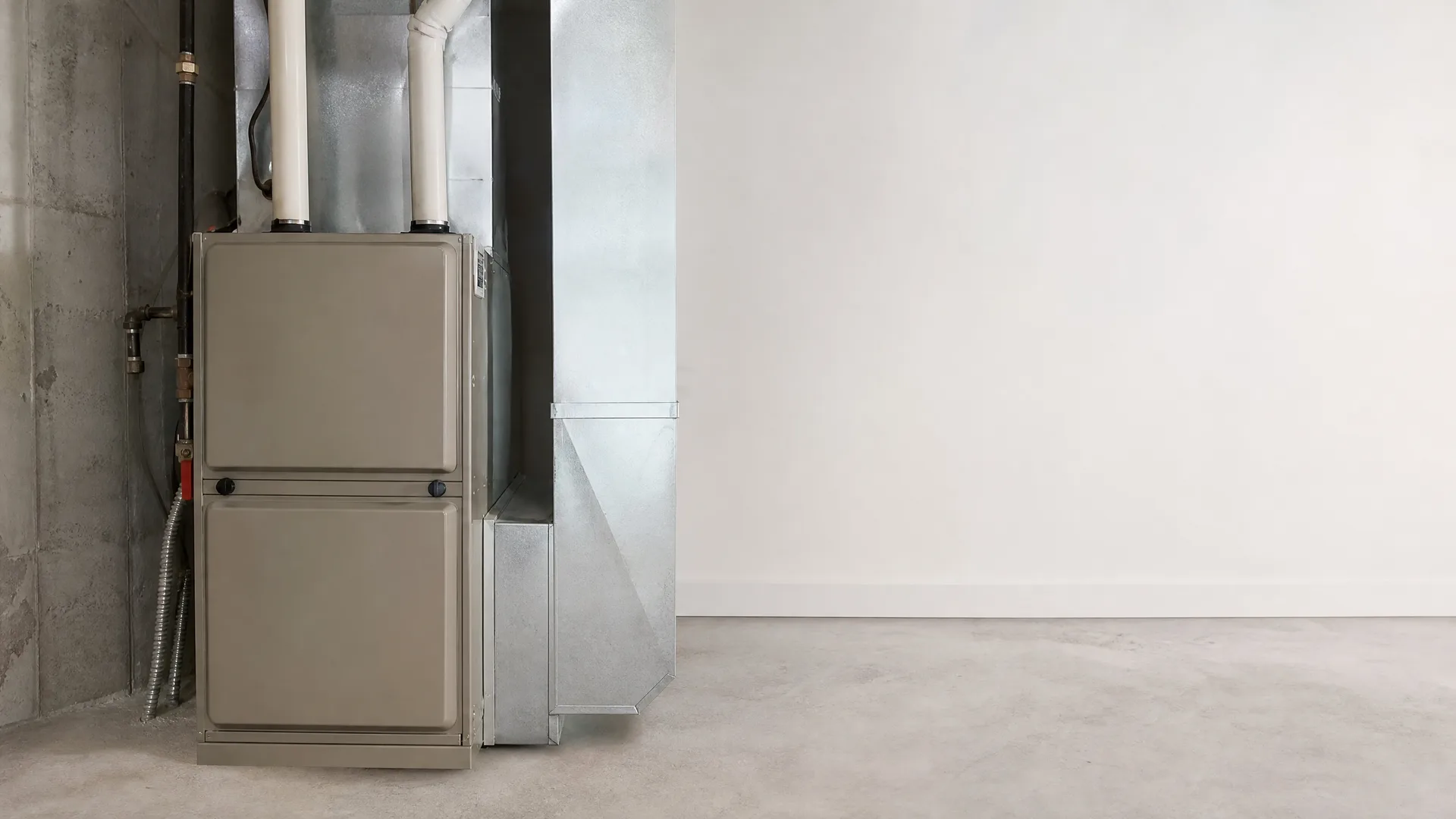
If your furnace heats evenly, cycles on and off without drama, and shows no cracks, rust or scorch marks around the burner, a yearly check from a licensed contractor is usually enough. In Madison, a furnace that's been cared for can run its full 15 to 20 years since it's only working a few months a year. Paying for a repair here and there still costs less than replacing a unit that has years left in it.
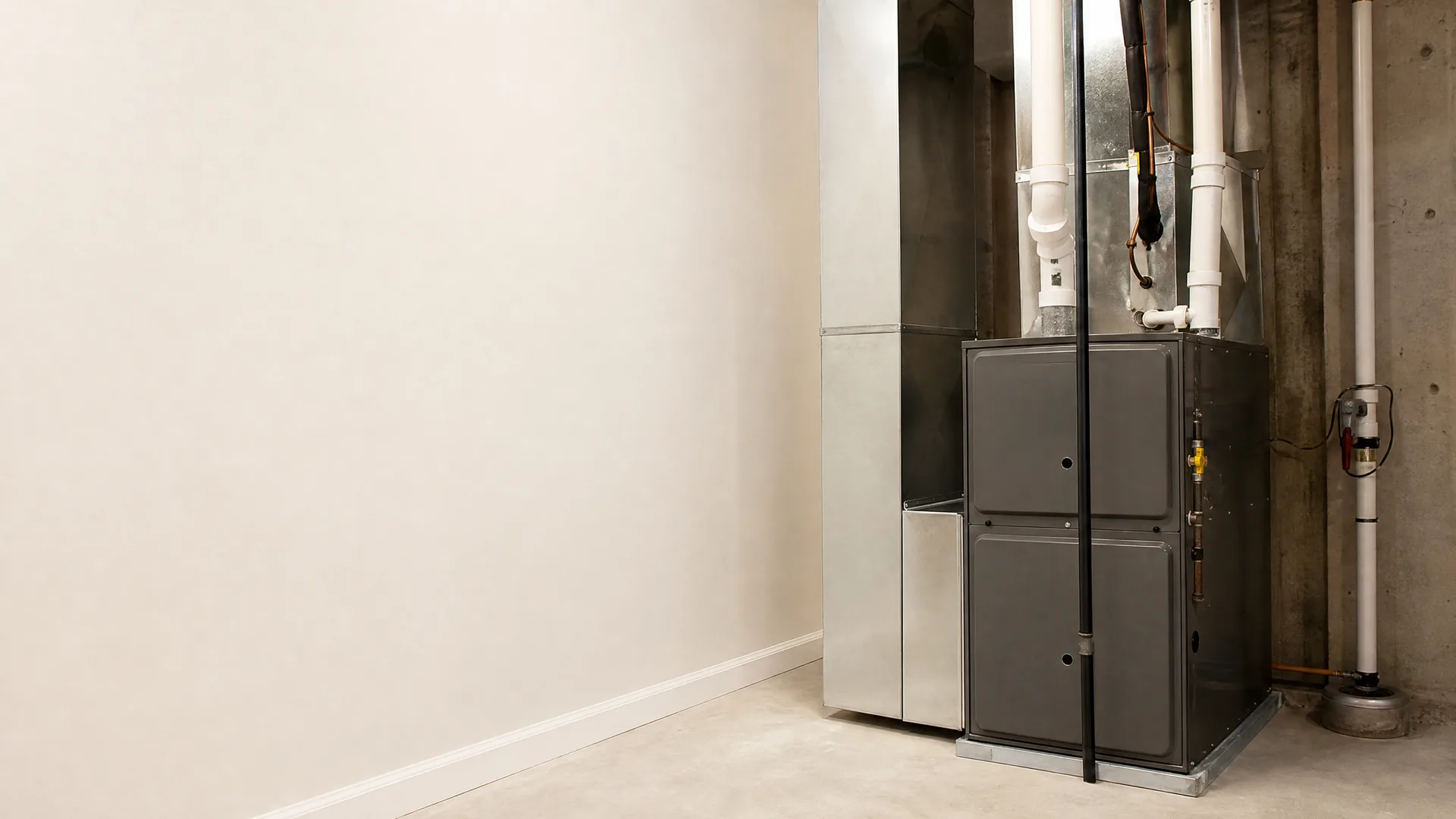
A furnace that's cracked a heat exchanger, trips its limit switch, or needs a new blower motor or control board is past the point where repair makes sense. Parts for an older unit can be harder to find, and a contractor who has to source them leaves you waiting longer than a straightforward install would. Replacing it now, on your schedule, beats replacing it in January when it quits and your house is cold.
At 37°F, your furnace is barely being asked to work. It's cycling on long enough to take the chill off, not fighting to keep up against real cold. A furnace that runs this easy can hold up a long time, but it still needs to be running right, not just running.
NOAA nClimDiv 1991-2020
A furnace in Madison earns its keep on mild nights, and most of the year it's barely working at all. That's why the age on paper matters less than what's actually happening when it runs, cracks in the heat exchanger, short cycling, rooms that won't come up to temperature. If your furnace is still running clean and even, a yearly check is enough to keep it that way. If it's showing the signs, replacing it now means you're not stuck without heat the next time it turns cold. Either way, the contractor who looks at it should be someone who works on furnaces around Madison every winter and knows which parts give out first in this climate. One contractor, one visit, one straight answer about whether it's worth fixing or time to replace it, instead of a string of calls to companies that don't know your house or your furnace.
Explain it one time